Smooth Drum Rollers: Achieving Flawless Finishes in Asphalt & Granular Soil
If you’ve ever spent time on a major construction site or watched a highway being built, you know that the final product is only as good as the foundation sitting underneath it. Let’s be honest, you can lay down the most expensive paving materials in the world, but if the ground isn’t prepped right, it’s all going to crack and settle within a year. This is exactly where smooth drum rollers come in and save the day.
Understanding the Real Power of Smooth Drum Rollers on the Job Site
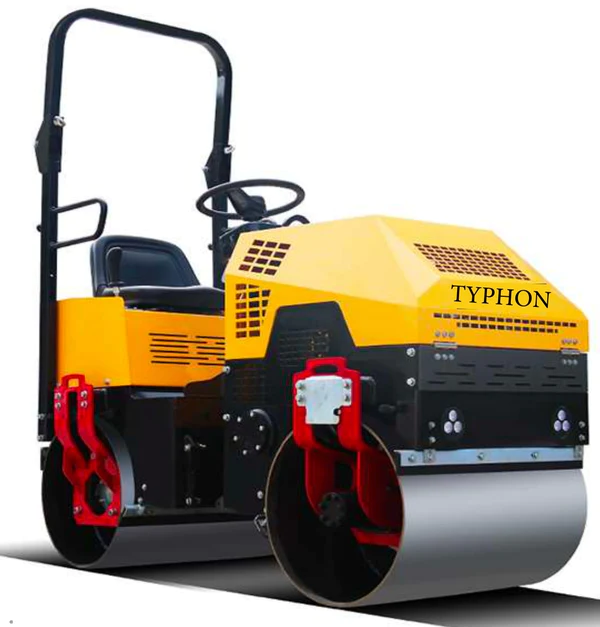
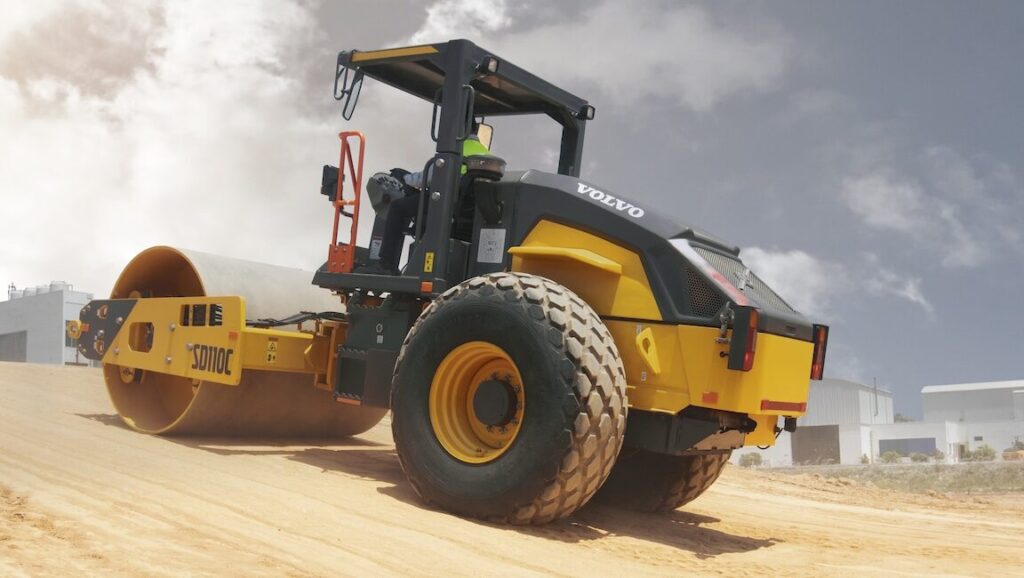
The smooth drum rollers are built with massive, perfectly flat steel cylinders, these heavy-duty machines are specifically designed to crush, press, and compact loose materials until they form a dense, rock-solid surface. When crews are out there building new interstates, expanding airport runways, or just paving a commercial parking lot, they rely heavily on these rollers to literally iron out the inconsistencies in the earth.
The whole point of running this equipment over a site is to squeeze out all the hidden air pockets and force the materials to bind tightly together. Doing this creates a tough, load-bearing layer that won’t buckle when heavy trucks or buildings eventually put pressure on it.
What really makes smooth drum rollers stand out, though, is how incredibly versatile they are. You’ll see them in action during almost every phase of a project, bridging that critical gap between rough grading and the final polished surface.
Whether a machine operator is tackling a huge expanse of loose gravel or carefully finishing off a fresh layer of hot asphalt, the roller guarantees everything gets compressed uniformly. The engineering behind these machines has come a long way, too. You have the massive, self-propelled beasts meant for heavy civil engineering, and then you have smaller, walk-behind units perfect for patching up sidewalks and driveways. Whatever the size, the goal remains exactly the same: achieving a flawless, unyielding finish that stands the test of time.
- They are the go-to workhorses for producing incredibly dense, durable surfaces capable of handling heavy, daily traffic without breaking down.
- Contractors rely on them because they are universally recognized as the absolute best option for compacting non-cohesive materials efficiently.
- You can find modern smooth drum rollers in both static and vibratory models, making it easy to match the machine to the specific needs of your job site.
How the Mechanics Actually Drive Compaction Efficiency
To really wrap your head around how smooth drum rollers get those perfect finishes, you have to look under the hood at the mechanics driving the whole process. At a glance, it looks pretty simple, right? It’s just a giant steel wheel using gravity to flatten the dirt. And sure, that heavy steel drum—whether you’re running a single drum for dirt work or a tandem setup for paving—acts like a massive rolling pin.
But modern compaction technology goes way beyond just sitting heavy on the ground. Today’s rollers are packed with sophisticated internal mechanisms that produce high-frequency vibrations. When the operator hits the switch, an internal eccentric weight starts spinning fast. This generates a powerful dynamic force that sends literal shockwaves deep into the ground below.
This one-two punch—combining the dead weight of the steel drum with those intense vibratory impacts—is the secret sauce of deep-level compaction. As those vibrations hit the soil or gravel, they temporarily break the friction holding the individual rocks and particles apart.
In a fraction of a second, the materials shift, realign, and pack themselves together as tightly as physically possible. Once the machine rolls past and the vibration stops, the ground is locked into a highly densified state. This isn’t just about making things look nice and flat; this mechanical synergy is absolutely mandatory if you want to meet the strict density codes set by city planners and federal highway inspectors. It guarantees that the compacted layer won’t shift, crack, or sink the moment bad weather or heavy loads hit.
- They use a smart combination of sheer static weight and dynamic vibration to push compaction much deeper than surface level.
- The flat design of the steel drum spreads the machine’s immense pressure out evenly, entirely eliminating weak spots in the foundation.
- The continuous rolling, shaking action removes microscopic air voids, which is the main culprit behind future surface rutting and structural settling.
Achieving That Perfect, Glass-Like Finish in Asphalt Paving
Working with hot mix asphalt is a high-stakes game. The material is incredibly temperature-sensitive, meaning the paving crew is always racing against the clock to get it compacted before it cools down and hardens.
In this environment, smooth drum rollers are the ultimate secret weapon for getting that flawless, jet-black finish we all love seeing on a brand-new road. Usually, crews bring out tandem smooth drum rollers—meaning they have steel drums on both the front and back—to glide over the fresh asphalt.
They work to iron out every single bump, ridge, or seam left behind by the paver. Because the drums are completely flat, they don’t press indentations into the soft road surface. The end result is a beautifully flat, smooth-riding roadway that practically looks like polished glass.
But getting asphalt to look good is only half the battle; it’s really about making the road last. Hitting the asphalt with proper compaction reduces its permeability. Basically, it seals up the top layer so water can’t sneak in. If you leave asphalt poorly compacted, rain seeps into those tiny cracks, freezes during the winter, expands, and completely destroys the road—hello, potholes.
Now, you might be wondering how a heavy steel drum doesn’t just stick to a bunch of hot, gooey tar. That’s where the roller’s onboard water spray system comes in. It constantly coats the drums with a fine mist of water, keeping them lubricated so the operator can keep making passes without tearing up the fresh mat. It’s a delicate balance, but when done right, the finish is totally seamless.
- Tandem setups ensure a flawless, polish-like surface on freshly laid asphalt, which makes for a smoother, safer ride for drivers.
- Uniform compaction tightly seals the asphalt’s surface layer, creating a waterproof barrier that protects the road from harsh weather.
- Advanced water lubrication systems prevent the hot asphalt from sticking to the drum, allowing operators to work quickly without ruining the finish.
Mastering Sub-Base Prep with Sand, Gravel, and Granular Soils
Before you can build up, you have to build a solid base, and mastering the compaction of granular soils is where smooth drum rollers really show off. When we talk about granular materials—like sand, crushed rock, limestone base, or gravel—we’re talking about stuff that is “non-cohesive.”
In plain English, that means the pieces don’t naturally stick together the way wet clay or mud does. If you want to turn a pile of loose gravel into a rock-solid foundation, you have to apply enough downward force to make those jagged edges interlock tightly. Smooth drum rollers are practically tailor-made for this job. As that massive drum rolls over the loose aggregate, it provides the exact, unyielding pressure needed to force the stones together into a stable, tightly packed layer.
If you’re dealing with wide-open spaces, the efficiency of these rollers is hard to beat. Picture a contractor prepping the sub-base for a massive Amazon warehouse or grading a rural county road. The wide footprint of a smooth drum covers a massive amount of ground quickly.
Because the cylinder is perfectly smooth, it flattens out ruts and high spots effortlessly, leaving behind a level canvas for the concrete or asphalt crew coming in next. And when you flip on the vibratory feature over gravel, it’s game over. Those deep waves shake the aggregate all the way down to the bottom layers, ensuring the whole base is compacted all the way through, not just on top. That’s how you guarantee the ground can hold the massive weight of whatever you’re building on it.
- They are incredibly efficient at tackling non-cohesive soils, forcing loose sand and gravel particles to lock together tightly.
- The wide drum footprint allows contractors to cover large-scale grading areas much faster than they could with specialized trench equipment.
- They create an exceptionally flat, rock-solid sub-base, which is the most critical first step before pouring concrete or laying asphalt.
The Big Debate: Smooth Drum Rollers vs. Sheepsfoot Rollers
Walk onto any dirt job, and you’ll probably hear a foreman debating which roller to bring in. Choosing the right compaction equipment usually boils down to the classic showdown: smooth drum rollers versus sheepsfoot (also called padfoot) rollers. Bring the wrong machine to the site, and you’ll just be wasting diesel, burning time, and completely ruining the soil structure.
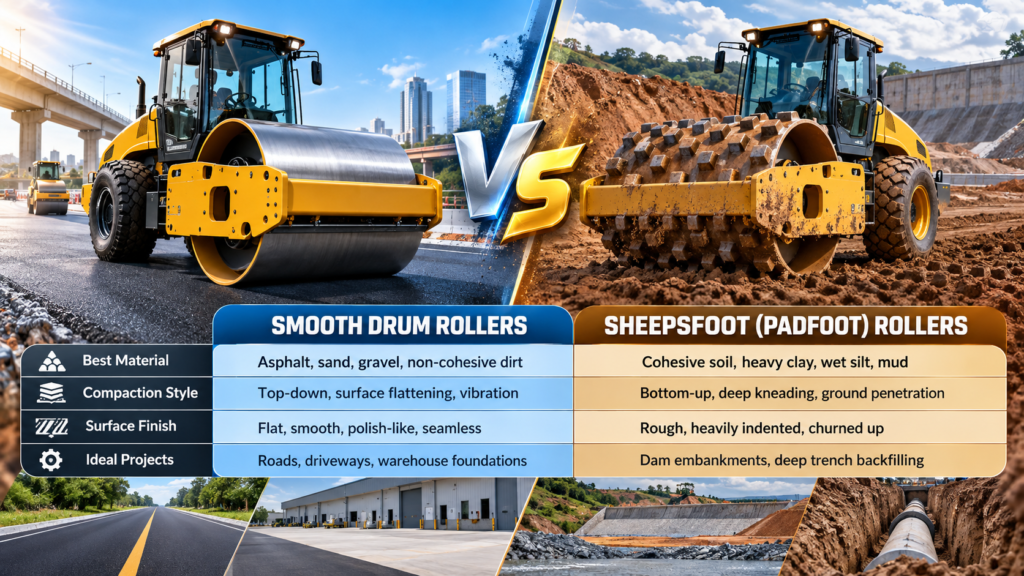
As we’ve covered, smooth drum rollers are the undisputed kings of non-cohesive stuff like gravel, sand, and asphalt. Their flat design is all about even weight distribution and creating a flat surface. Sheepsfoot rollers, on the other hand, look like medieval torture devices. They have drums covered in dozens of heavy metal knobs or “feet.” These machines are built specifically for nasty, cohesive, clay-heavy soils where just flattening the top isn’t going to cut it.
The biggest difference here is how they actually compact the ground. A smooth drum compacts from the top down, giving you a hard, flat crust. A sheepsfoot roller compacts from the bottom up. Those heavy studded feet punch deep into wet clay, aggressively kneading the dirt like dough to squeeze out air pockets and bind the sticky soil together.
If you drove a sheepsfoot roller over a loose gravel driveway, it would just tear it up and make a mess. Flip the scenario, and if you try to use a smooth drum roller on wet, sticky clay, it’s going to just slide around, glaze the top layer, and leave the deep dirt totally soft and unstable. Getting this right is day-one stuff for project managers.
Table: Features Smooth Drum Rollers Vs Sheepsfoot Rollers
| Feature | Smooth Drum Rollers | Sheepsfoot (Padfoot) Rollers |
| Best Material | Asphalt, sand, gravel, non-cohesive dirt | Cohesive soil, heavy clay, wet silt, mud |
| Compaction Style | Top-down, surface flattening, vibration | Bottom-up, deep kneading, ground penetration |
| Surface Finish | Flat, smooth, polish-like, seamless | Rough, heavily indented, churned up |
| Ideal Projects | Roads, driveways, warehouse foundations | Dam embankments, deep trench backfilling |
- Smooth drum rollers are your best bet for sand, gravel, and asphalt, while sheepsfoot rollers belong in heavy, cohesive clay.
- Smooth drums flatten the ground uniformly to leave a clean finish, whereas sheepsfoot drums knead the earth deeply to break up clods.
- When working on wide, flat foundation areas with the right soil, smooth drums offer far superior speed and coverage efficiency.
Keep It Rolling: Essential Maintenance Tips You Can’t Ignore
Look, you can drop hundreds of thousands of dollars on the best equipment out there, but if your maintenance routine is sloppy, that smooth drum roller is going to fail you right when you need it most.
These machines take a brutal beating every single day. They deal with extreme dust, heavy vibration, and rough weather, which can chew up vital parts fast. If you’re working with asphalt, the absolute most important thing you can do is keep the drum clean. Even a tiny buildup of cold, hardened asphalt on the steel cylinder will gouge the fresh mat and completely ruin your perfect finish. Operators need to be hyper-vigilant about checking the scraper bars and making sure that water spray system is firing on all cylinders to keep the drum perfectly slick.
Maintenance doesn’t stop at the surface, either. All that heavy vibration that does wonders for the dirt can vibrate the machine’s own bolts loose if you aren’t careful. The internal mechanics need love, too. The eccentric weights and the complex hydraulic systems driving them have to be checked regularly. That means staying on top of hydraulic fluid levels, inspecting thick hoses for slow leaks, and swapping out dirty filters.
Also, depending on the roller, you might be using water or wet sand as internal drum ballast to add weight. You have to check the drum’s structural integrity to make sure nothing is leaking out, and verify your weight is calibrated right for the material you’re packing down. Good maintenance doesn’t just save money on repairs; it guarantees you hit your compaction numbers every single time.
- Operators have to be strict about keeping the steel drum spotless to prevent debris from marring the finish on fresh asphalt jobs.
- Routine inspections of the high-pressure hydraulic lines and internal vibration mechanisms are crucial for keeping the machine running smoothly.
- Daily checks should include inspecting drum scrapers, testing the water lubrication system, and verifying weight ballasting if applicable.
FAQs About Smooth Drum Rollers
What exactly is a smooth drum roller used for?
At its core, a smooth drum roller is used to flatten and deeply compact non-cohesive materials. We’re talking about things like loose sand, gravel, crushed stone, and hot mix asphalt. The heavy steel drum applies massive downward force to squeeze out air pockets, leaving you with a dense, flat, stable surface that is critical for building roads, parking lots, and building foundations.
What is the main difference between a padfoot (sheepsfoot) roller and a smooth drum roller?
It all comes down to the drum shape and the dirt you’re working with. A smooth drum roller has a perfectly flat steel wheel meant to press down granular, loose materials. A padfoot (or sheepsfoot) roller has a drum covered in thick metal spikes or “feet” that aggressively dig into and knead sticky, wet, cohesive clay so it binds together.
Can you use smooth drum rollers on clay or dirt?
Honestly, you really shouldn’t. If you put a smooth drum on wet clay or cohesive dirt, it’s just going to pack down a thin crust on top. The flat drum can’t penetrate, so the deep soil underneath stays loose and weak. For heavy clay, you absolutely need to bring in a sheepsfoot roller.
Why are tandem smooth drum rollers preferred for asphalt work?
Tandem rollers swap out rubber tires for a second smooth steel drum (so you have one in front, one in back). This lets the machine hit the hot asphalt with uniform pressure twice in a single pass. It smooths out the mat faster and prevents tire marks, giving you that beautiful, seamless finish you want on a fresh road.
How does a vibratory smooth drum roller differ from a static one?
A static roller relies 100% on its own dead weight to push the dirt down. A vibratory roller, on the other hand, has spinning weights inside the drum that make the whole machine shake rapidly. Those vibrations send shockwaves deep into the ground, vibrating the gravel or sand into a much tighter, denser pack than static weight ever could alone.
Should I rent or buy a smooth drum roller for my construction project?
If you’re a landscaper or a general contractor who only occasionally needs to prep a small driveway or sub-base, definitely just rent one. But if your company specializes in paving roads, prepping large commercial foundations, or doing constant dirt work, buying a smooth drum roller is going to save you a ton of rental fees in the long run.
What are the best granular materials to compact with a smooth drum roller?
They shine brightest when working with non-cohesive materials. Think sand, gravel, crushed rock, limestone base, and railway ballast. And, of course, they are the absolute gold standard in the industry for finishing out hot-mix asphalt.