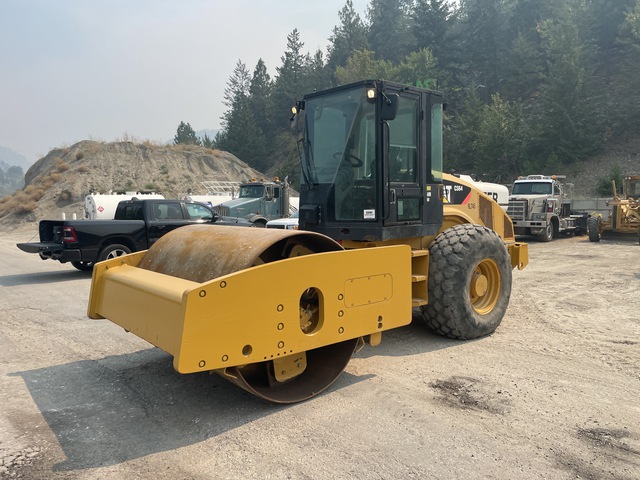
The Contractor’s Guide to Walk-Behind Compactor Roller Rentals
Anyone who has worked on a road crew or poured concrete knows this basic truth: what goes underneath decides how long your work survives. If the sub-base settles six months down the line, asphalt cracks, pavers buckle, and clients pick up the phone to complain. Check our guide on walk-behind compactor roller rentals to learn the benefits, efficiency and business opportunities.
Yet, on half the jobsites out there, bringing in a massive 5-ton ride-on machine simply isn’t realistic. The space is too tight, access gates won’t allow it, or the rental bill kills your profit margin. That is why walk-behind compactor roller rentals have become such a staple for small crews, utility contractors, and hardscaping teams across the board.
Renting instead of buying changes the game financially. You don’t have to sink fifteen to thirty grand into a unit that might sit parked out behind your shop for two months straight. Instead, you line up a clean, running pedestrian roller precisely when your site prep begins, compact down your crushed aggregate or asphalt mix, and send it right back. You skip the ongoing oil changes, hydraulic hose repairs, and winterizing headaches while keeping your balance sheet clean.
- Gets into tight quarters: Squeezes down residential alleys, cuts close to curbs, and works over narrow utility trenches where ride-on equipment can’t fit.
- Lowers overhead costs: Lets you dodge upfront equipment loans, ongoing yard storage fees, and regular preventive maintenance bills.
- Leaves a uniform surface: Gives you a smooth, even grade across sand, sub-base gravel, and hot mix asphalt patches without leaving deep wheel ruts.
How Does a Walk-Behind Compactor Roller Actually Work?
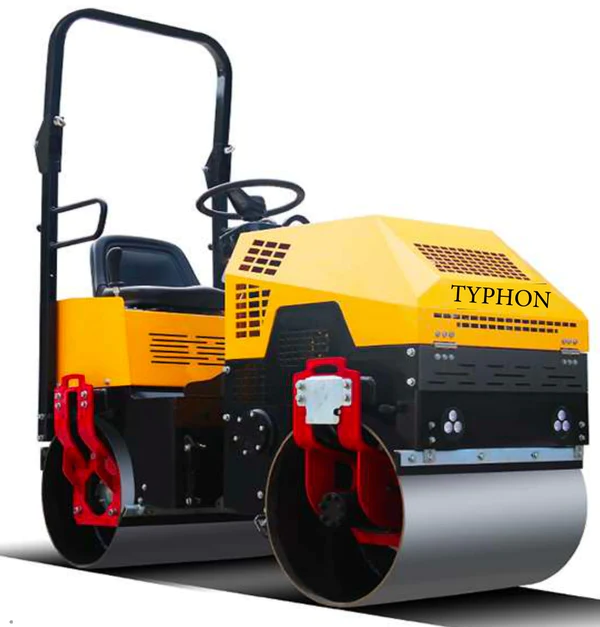
Think of a walk-behind compactor roller—often called a pedestrian roller or baby roller—as the sweet spot between a standard plate compactor and a full-size tandem road roller. While a jumping jack or plate compactor works fine for small holes, they lack the rolling action needed to smooth out long, continuous stretches.
A walk-behind roller uses one or two heavy, smooth-machined steel drums that house an internal eccentric weight shaft. As the onboard engine spins that shaft at anywhere between 3,000 and 4,200 vibrations every minute, it translates raw rotary power into rapid, downward hammering pulses.
What makes these machines so effective is the blend of dead machine weight and dynamic impact. When you engage the vibratory switch, the roller doesn’t just sit on the dirt; it physically excites the soil particles, shaking them loose from their natural bridges and forcing air pockets up and out.
Hydrostatic drives make handling the machine predictable and safe. Instead of fighting stiff gears, you push a single control lever forward or back to dial in your rolling speed, while integrated dead-man levers keep the machine from running you over if you stumble.
- Combines static and dynamic force: Pairs several hundred pounds of steel with thousands of pounds of centrifugal energy to hit tight soil compaction specs.
- Hydrostatic lever controls: Provides stepless speed regulation and smooth direction changes without sudden jerks that gouge fresh surfaces.
- Built-in water bars: Uses an onboard gravity-fed or pressurized water tank to mist the drums continuously, keeping sticky bitumen from sticking to the steel.
Single Drum vs. Double Drum Walk-Behind Compactor Roller Rentals
Picking the right configuration before you call the yard will save you hours of wasted effort on the ground. A single-drum walk-behind roller features one driven steel drum up front and a pair of rubber caster-style wheels or a support roller at the back.
These machines are light, quick on their feet, and turn on a dime. If you are backfilling narrow pipe trenches, leveling out footing trenches, or working between boundary fences where you need to spin the machine around in tight corners, a single-drum setup is usually your best bet.
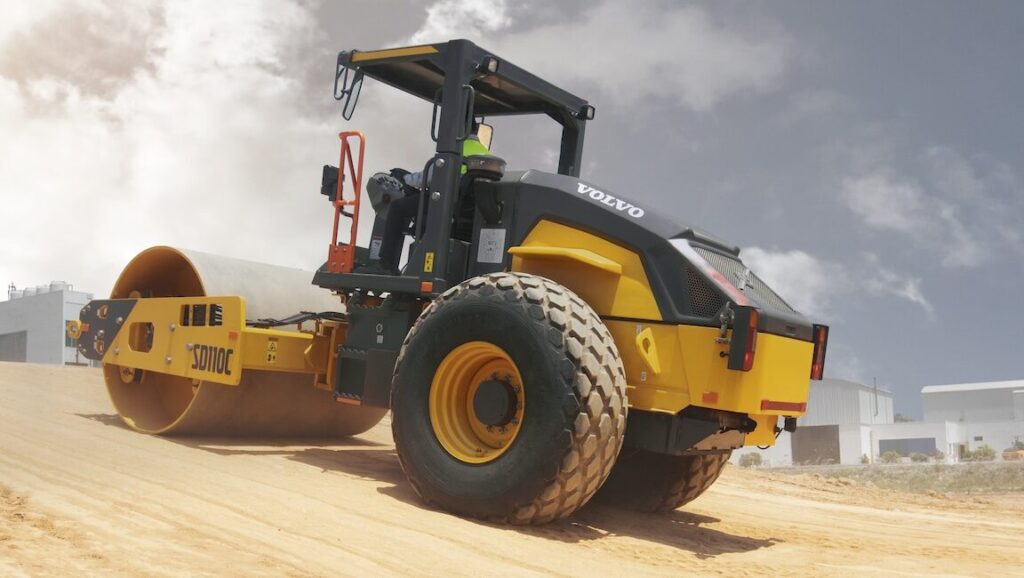
Double-drum units, often called tandem rollers, are built for serious production. Both drums are heavy steel, both actively vibrate, and both drive the unit across the ground. Because you get two dynamic compaction passes with every single forward run, tandem rollers work twice as fast on open jobsites. They provide better traction on loose crushed rock or sandy embankments, and they leave a clean, ripple-free finish across freshly laid asphalt driveways or commercial parking aprons.
- Single-drum units: Nimble, lighter to haul on smaller trailers, and ideal for confined trenching and tight footing work.
- Double-drum (tandem) units: Compacts twice as fast per pass, tracks better across loose slopes, and delivers a superior finish on hot mix asphalt.
- Traction on grades: Dual-drum models grip loose aggregate far better, handling steeper ramp angles without spinning out.
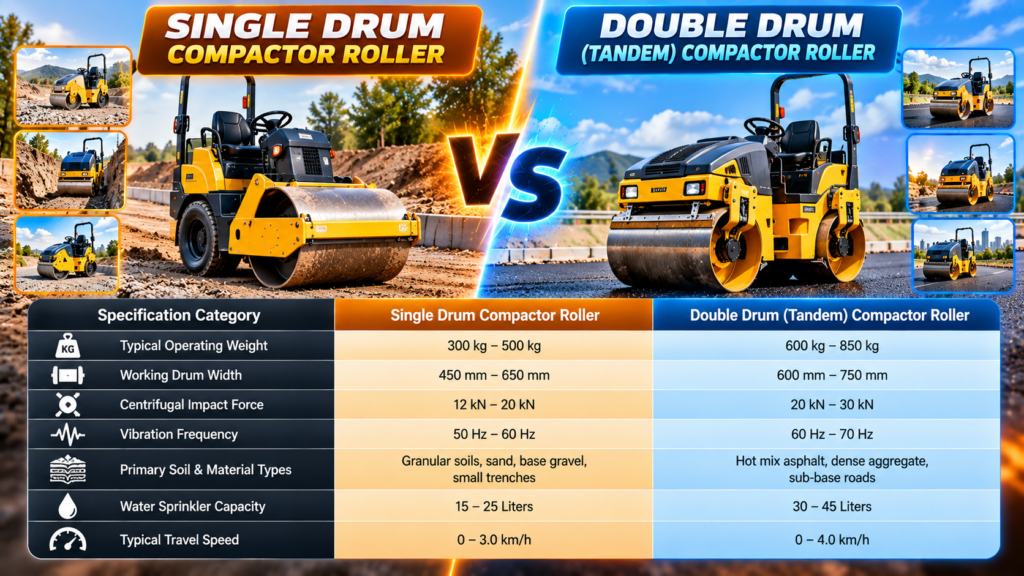
Table: Technical Specs – Single Drum vs. Double Drum
| Specification Category | Single Drum Compactor Roller | Double Drum (Tandem) Compactor Roller |
| Operating Weight | 300 kg – 500 kg (660 – 1,100 lbs) | 600 kg – 850 kg (1,320 – 1,870 lbs) |
| Working Drum Width | 450 mm – 650 mm (18 – 26 in) | 600 mm – 750 mm (24 – 30 in) |
| Centrifugal Force | 12 kN – 20 kN | 20 kN – 30 kN |
| Vibration Frequency | 50 Hz – 60 Hz | 60 Hz – 70 Hz |
| Best Material Types | Granular sand, pea gravel, sub-base trench fill | Hot mix asphalt, dense graded aggregate, road base |
| Water Sprinkler Tank | 15 – 25 Liters | 30 – 45 Liters |
| Travel Speed | 0 – 3.0 km/h (0 – 1.8 mph) | 0 – 4.0 km/h (0 – 2.5 mph) |
Common Jobsite Applications – Walk-Behind Compactor Roller Rentals
You see walk-behind compactor roller rentals on job sites across every trade because they adapt so easily to different materials. Municipal road departments and asphalt paving crews rely on them constantly for pothole repair, utility trench restoration, and road shoulder work.
When a gas or water line gets repaired in a busy street, closing down three lanes for an industrial ride-on roller isn’t practical. A pedestrian roller fits right onto an ordinary utility trailer, runs off the back, finishes the patch flush with existing asphalt, and gets loaded back up in minutes.
Residential hardscapers and general contractors use them heavily for flatwork prep. If you are setting interlocking pavers, pouring a 4-inch concrete patio, or laying out a crushed-limestone driveway, using a walk-behind roller prevents premature settling down the road. Skipping thorough compaction leads to standing water puddles and cracked concrete slabs. A walk-behind roller allows you to run right against garage aprons, concrete retaining walls, and curb edges with precision.
- Asphalt patch repair: Blends cut patches seamlessly into existing road surfaces without tearing up edges.
- Sub-base prep for pavers: Locks aggregate layers tight so heavy foot and vehicle traffic won’t cause pavers to dip or shift.
- Trench backfilling: Densifies earth over sewer runs, water mains, and buried electric lines to keep the surface from sinking later.
The Real Advantages of Renting Over Buying
Owning construction equipment feels great until the monthly payments, depreciation, and repair tickets start stacking up. A top-tier walk-behind roller can cost thousands of dollars to buy outright, and unless your business runs asphalt six days a week, that machine ends up sitting idle.
Taking advantage of walk-behind compactor roller rentals lets you treat heavy machinery purely as an operational expense. You invoice the rental directly to the project you are working on, pass along the line item, and keep your business cash flow open for payroll and materials.
Renting also removes the hassle of maintaining hydraulic systems and diesel engines. Every rental unit from a reputable yard arrives inspected, greased, and tested, ready to run without delay.
If a hydraulic seal blows or a belt snaps halfway through a Friday morning pour, you don’t lose an entire weekend trying to source obscure parts yourself. You simply call the rental counter, and they send out a replacement or a field mechanic to get you moving again quickly.
- Keeps cash flow liquid: Avoids tying up company capital in depreciating machinery that sits idle between major contracts.
- Guaranteed job-ready machines: Yard mechanics inspect drum bearings, safety shut-offs, and fluid levels before every handover.
- Simple project accounting: Allows you to bill rental equipment costs straight to client invoices for straightforward tax reporting.
What to Look for Before Signing a Rental Agreement
Not every jobsite demands the exact same machine, so taking five minutes to review the specs before renting will save you from major headaches on site. Start by checking your base material.
If you are compacting clean granular sand or crushed stone, a standard vibratory frequency around 50 to 60 Hz works fine. If you are laying fine asphalt, you want higher frequency (closer to 65–70 Hz) and lower amplitude so you don’t crack the aggregate or ripple the surface.
Pay close attention to side clearance. If you have to compact directly against a masonry wall or along an existing concrete curb, make sure you ask for a flush-sided roller. Certain models have motor housings or hydraulic lines protruding past the edge of the drum, which leaves a 2- to 3-inch uncompacted gap alongside walls. Finally, check the safety features. Make sure the emergency reverse button mounted on the handle works instantly—if you bump against it while walking backwards, it must cut drive power immediately.
- Side clearance: Look for flush-sided frames if your job requires compacting flush along walls, curbs, or footings.
- Vibration specs: Match dynamic force and drum frequency to your specific layer thickness and mix design.
- Handle safety controls: Verify that the emergency reverse shut-off switch springs back quickly and stops the roller instantly.
Practical Rules for Running a Walk-Behind Roller Safely
Operating a walk-behind roller safely requires basic common sense and consistent attention to your surroundings. Before pulling the starter cord or turning the key, walk the machine once.
Check for oil spots underneath, confirm that the scrapers touch the drum surface evenly, and ensure the water tank is clean. Always gear up with steel-toed work boots, earplugs, safety glasses, and a high-vis vest; these machines kick out substantial low-frequency noise and ground shake that takes a toll on your body over a long shift.
When you’re rolling, walk behind roller or slightly offset from the machine at a comfortable, steady pace. Never rush the roller. Let the drums do the work, moving around 1 to 2 miles per hour.
If you are working on an incline, never try to walk across the face of the hill, as pedestrian rollers can tip sideways on soft shoulders. Always run straight up and straight down the grade. Above all, remember to shut off the vibratory system before stopping travel; letting a vibrating drum sit still on hot asphalt or soft soil will dig a trench in seconds.
- Walk the perimeter first: Check hydraulic connections, oil levels, and drum scrapers before you crank the engine.
- Keep your body clear: Stay squarely behind or slightly offset from the operating handle, watching your step to avoid trips.
- Never vibrate while parked: Always engage the vibration after the machine is moving forward to prevent digging gouges into the surface.
What to Expect for Rental Rates and Agreement Terms
Rental pricing on walk-behind compactor rollers depends on drum size, local demand, and how long you plan to keep the unit. Generally speaking, rental counters offer daily, weekly, and monthly rates.
If you have an extensive paving schedule or ongoing subdivision work, monthly rates give you by far the lowest cost per day, while single-day rentals are great for simple driveway turnarounds or emergency trench patches.
Before you haul the equipment off the lot, double-check the fine print in the rental agreement. Make sure you understand the fuel terms; returning a diesel machine on empty often means paying double the pump price in shop refueling fees. Look into the environmental cleaning clause as well.
If you return a tandem roller caked with sticky asphalt tack coat or hardened clay, the yard will likely bill you for pressure washing. Adding an optional rental damage waiver is usually worth the few extra dollars to protect against accidental jobsite damage.
- Compare rental terms: Look at weekly and monthly discounts if your project is going to run longer than three working days.
- Plan transport early: Confirm whether you have a rated trailer and chains, or pay the yard for jobsite drop-off and pickup.
- Return it clean and full: Top off the fuel tank and wash down the drums to skip extra yard turnaround fees.
Common Questions About Walk-Behind Roller Rentals
How much does it typically cost to rent a walk-behind compactor roller?
A standard walk-behind compactor roller usually rents for roughly $75 to $150 per day, $250 to $500 per week, and $750 to $1,400 for a month-long contract. Smaller single-drum gasoline units lean toward the lower end of that scale, while heavy double-drum diesel tandem rollers sit on the higher end. Additional items like delivery fees, fuel charges, and rental damage waivers will alter your final bill.
Can you use a walk-behind compactor roller on hot asphalt?
Yes, double-drum walk-behind rollers are widely used for hot mix asphalt patching, driveway paving, and path work. To prevent hot bitumen from sticking to the drums, the machine must have a working water tank, spray nozzles, and clean drum scrapers. The water acts as a releasing agent so the smooth steel rolls across the mix without tearing or picking up the aggregate.
How does a walk-behind roller compare to a plate compactor?
A plate compactor relies on a flat steel plate that pounds down vertically, making it great for narrow trenches, tight corners, and thin soil lifts. A walk-behind roller uses heavy rotating steel drums to roll across material continuously while vibrating. This lets the roller finish larger areas significantly faster, reach deeper compaction, and create a smooth, track-free surface on fresh asphalt.
How deep can a walk-behind roller compact soil?
A standard commercial walk-behind roller can compact granular soils like sand and crushed road base in lifts between 6 and 12 inches deep, depending on the machine’s dynamic force rating (normally 20 to 30 kN). If you are compacting cohesive clay soil, you will need to keep your lifts shallower—around 4 to 6 inches at a time—to guarantee proper density throughout the fill.
What kind of fuel do these rollers take?
Most heavy-duty double-drum walk-behind rollers run on diesel fuel, powered by engines from makers like Hatz, Yanmar, or Kohler, which provide the high torque needed to drive both drums under load. Some smaller single-drum units use standard unleaded gasoline engines, such as Honda GX units. Always check the fuel tank label or ask the equipment counter before refueling.
What do I need to transport a walk-behind roller?
Because these machines weigh anywhere from 800 to 1,800 pounds, you will need a sturdy utility trailer or drop-deck equipment trailer with a sufficient payload rating. Load the roller slowly up steel ramps, engage the parking brake, and secure the frame down at designated anchor points using heavy-duty ratchet straps or transport chains before hitting the road.
Do I need a special license to operate a rental walk-behind roller?
No special commercial driver’s license (CDL) or state machinery certification is needed to rent or run a walk-behind roller. That said, jobsites covered by OSHA rules require employers to ensure that all crew members have reviewed the operator manual, understand the emergency stops, and wear standard PPE before putting the machine to work.