Wheel loader attachments safety checklist: Discover the top 7 tips for proper installation and operations!
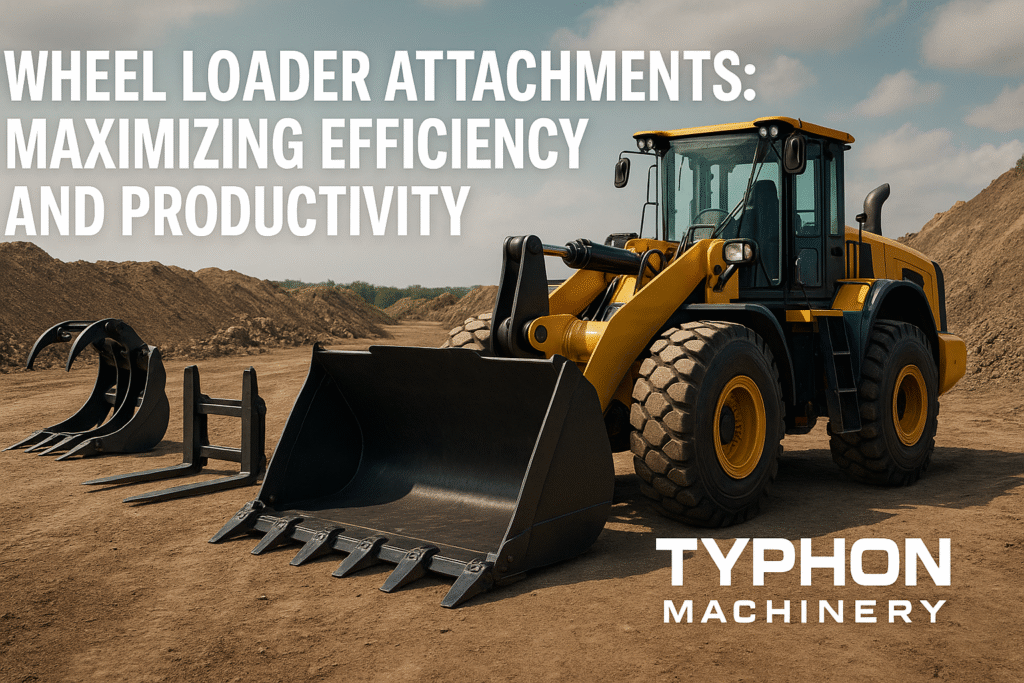
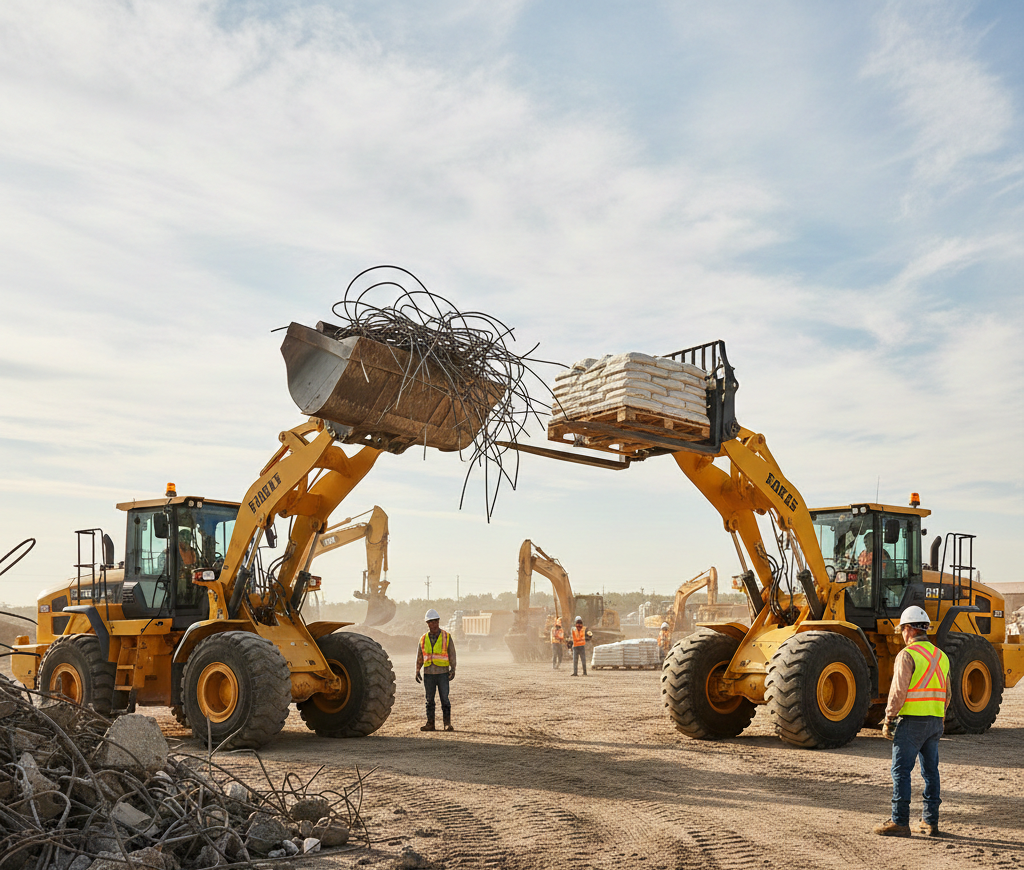
Essentially, the wheel loader’s multi-functional capability relies on work tools. The simple earthmoving buckets to the complex hydraulic work tools, e.g. log grapples, high-tip buckets, angle brooms, or specialized roller compactor attachments, change the loader to a versatile machine.
However, the site performance largely depends on the accurate handling of equipment. Each time a new system is connected to your machine, the limits of physical lifting, balance features, and working parameters are changed. Not using a standardized wheel loader attachments safety checklist is a factor that may jeopardize the safety of a job site and even lead to damaging of expensive mechanical components.
By introducing a safety check routine, you ensure that every tool change is done safely and the tool is working well. This all-inclusive guide presents the main steps through installation, testing, and operation practices of the attachment safely while following a strict wheel loader attachments safety checklist.
Top 7 wheel loader attachments safety checklist
1. Pre-Installation Compatibility Assessments
You should not even think of connecting any mechanical equipment to a wheel loader’s arms without verifying if the two units have fully matching engineering specifications. A mismatched system enforced onto a loader will not only affect your performance but can also harm your structural frames.
Proper mechanical fit is the first step only in the integration plan. It is essential that the operators check how the weight and fluid requirements of the new system will affect the normal stability of the machine by using a detailed wheel loader attachments safety checklist.
- Weight Distribution and Capacity Evaluation: Make sure that the combined weight of the empty tool and its maximum material capacity is always below the working payload limit of your specific loader.
- Hydraulic Flow Matching and Pressure Syncing: Make sure that your loader delivers exactly the Liters Per Minute (LPM) and the system pressure (Bar) that the auxiliary tool requires.
- Coupler System Structural Inspection: Before you make the alignment, carefully check that the quick-coupler frame or the pin-on brackets are in good condition structurally, without deep rust or micro-fractures. Also, remove all packed dirt, debris, and ice from the locking pocket areas so that the locking wedges can fully engage without any obstruction.
2. Mechanical Coupling and Alignment Protocols
When aligning a heavy carrier to a stationary attachment, it is necessary to ensure accuracy, slow movements, and having an unobstructed view. Any hurry in this particular phase can cause pinning accidents or break the structural mounting hooks, so a wheel loader attachments safety checklist is something field teams can’t do without.
Standardized drive-in sequences help keep ground crew members safely out of the danger zones as well as avoid accidental machine contacts.
- Clear Ground Signaling and Clearance Zones: Set up a strict exclusion zone around the attachment area and make sure no ground workers stand between the loader and the tool during the alignment. If your forward visibility is blocked by the loader structure, use a spotter who will be positioned safely to the side.
- Precision Drive-In and Angle Engagement: Move forward slowly toward the attachment with the loader arms lowered and the coupler frame tilted forward to hook smoothly underneath the upper attachment brackets. At the same time, raise the arms slightly while tilting the coupler back to make the attachment frame sit completely flush against the loader mount.
- Positive Lock Indicator Verifications: Depending on your exact coupler type, either activate the hydraulic pin-lock switch from the cabin or insert the locking pins manually. Before you start moving the loader, it is always good to check visually that the engagement pins have been fully extended through the base plate holes.
3. Auxiliary Hydraulic Connection Safety
Attachments such as multi-purpose (4-in-1) buckets, high-tip buckets, and vibratory plate configurations rely heavily on auxiliary fluid lines for operation. Pressurized oil lines, if mishandled, are hazardous as they can cause skin punctures with fluids injected at high velocity, hence fluid safety is a major part of your wheel loader attachments safety checklist.
Proper hydraulic connection requires the implementation of systematic pressure isolation as well as cleanliness protocols to protect your internal systems from contamination.
- System Residual Pressure Elimination: Always turn the machine engine off and cycle the auxiliary controls through all the positions before you disconnect or connect the lines. This method vents completely the residual line pressure, avoiding dangerous fluid spraying and facilitating quick-coupler connection.
- Contamination Shielding and Cleaning Practices: Prior to joining, use lint-free cloths to clean both the male and female quick-disconnect sides. When open lines get infested with fine particles of dust, dirt, or silica, it will result quickly in a loss of control valve spool teas and pump life degradation.
- Hose Routing and Slack Adjustments: Hydrolyzes should be carefully positioned using the support guides, which are the actual designated routing points, and leave enough slack to allow attachment rotation over the full range. Also, check that the lines besides getting pinched inside the loader arm linkages cannot be remaining during operation.
4. The Pre-Operation “Push-Test” Checklist
Just because the cabin dashboard indicators light up or visual inspections look fine, it is a mistake to think that attachment is secured completely. Ground level dynamic load validation testing is a must before the tool is lifted into the air, as stated in any top-notch wheel loader attachments safety checklist.
This test aims at detecting that the locks have responded mechanically to force and have indeed become fully seated under resistance.
| Validation Step | Action Required | Safety Objective |
| Ground-Level Push Test | Tilt the attachment forward and apply down-pressure against the floor while reversing. | Verifies that the primary coupling hooks are structurally locked onto the attachment pin rail. |
| Auxiliary Function Cycle | Open/close or spin the tool fully through its range of motion at low engine RPM. | Checks for line leaks, hose binding, or structural interference throughout the movement arc. |
| Visual Lock Confirmation | Step out of the cab with the parking brake engaged to check lock pins directly. | Ensures the safety pin indicators are fully extended and visible. |
- Down-Pressure Verification Testing: Press the lower face of the attachment firmly against the ground by lowering the loader arms and then slowly go backwards. If the attachment separates or rocks against the coupler plate, you need to pull forward, lower the system, and reset your locking mechanism right away.
- Full Range Motion Cycle Monitoring: Lift the tool a bit off the ground and move it through the full tilt up and down cycles at a low engine RPM. Identify any hose binding, mechanical interference, or unusual noises, which may be the signs of structural misalignment.
- Low-Speed Fluid Leak Sweeps: Check visually every connection fitting, hose crimp, and cylinder rod for fluid leaks while the tool is pressurized at low idle. To recognize fine fluid sprays, never use your bare hands but a cardboard or a piece of wood.

5. Safe Operational Practices on the Job Site
Driving a wheel loader carrying a heavy front attachment significantly changes the whole machine behavior in travel, turning, and loading phases. Being aware of these changed dynamics and conforming to your wheel loader attachments safety checklist will help you have a smooth and stable operation.
Changing your driving skills in accordance with the specific tool mounted is a great way to reduce component wear in your machinery.
- Low-Level Carrying Standards: Whenever moving around with your attachments, keep them as low to the ground as possible, around 12 to 18 inches above the surface. By keeping the load low, you keep the overall center of gravity low, which not only means maximum machine stability but also that you save your forward view.
- Dynamic Load Adjustment Habits: An important feature of your travel speeds is that they need to be adjusted for the unique weight distribution of your attachment, especially when dealing with heavy tools like log grapples or high capacity rock buckets. You need to slow down well before turns to avoid centrifugal forces leading to a dangerous chassis roll.
- Slope Operation Rules: When on hills or inclines with a fully loaded attachment, drive straight up or straight down only and never cross the face of a slope. Point the heavy end of your machine toward the top of the incline to maximize tire traction and prevent backwards rollovers.
6. Post-Operational Disconnection and Storage
The same careful attention as during the tool mounting also applies to detaching the work tool, in order to avoid property damage or injuries occurring during later use. Improper tool storage might even lead to water pool formation or warping of the critical connecting surfaces, making the post-operation steps a part of the wheel loader attachments safety checklist.
By following a proper disconnection routine, you protect your quick-coupler parts and leave the attachment ready and correctly positioned for its next use.
- Stable and Flat Placement Foundations: Put the attachment down on a level, solid surface that can support the full weight without sinking or tipping over in time. If the tool has an uneven base surface, such as a high-tip unit or a log grapple, then use stable wooden cribbing or heavy blocks underneath to keep it upright.
- Dust Cover Deployment: After applying the system pressure venting, disconnect all auxiliary hydraulic lines and immediately put on the dust caps that are matched to the exposed fittings. If the ports are left open, it means exposure to ambient grit, moisture, and rust, which can contaminate your hydraulic fluid during the next setup.
- Linkage and Pin Lubrication Protocols: Before setting the tool aside for long-term storage, pump clean grease into all attachment pivot bushings, grease points, and slide bars. Regular lubrication displaces moisture and prevents oxidation from seizing your tight mechanical tolerances.
7. Mandatory Daily Maintenance Routines
Regular inspections are essential if you want your machine to keep working properly and be productive for a long time. Addressing even the tiniest cracks, structural flaws, and failing seals before they become a problem during your shift is the main reason for a daily wheel loader attachments safety checklist.
Daily Attachment Maintenance Sequence:
[Clean Dirt/Debris] -> [Check Isolation Mounts] -> [Inspect Cutting Edges] -> [Grease Pivot Pins]
Doing these daily tasks will make sure your loader and attachment continue to run smoothly and efficiently day after day.
- Rubber Isolation Mount Inspections: In case of using high-vibratory tools like vibratory plate compactors, it is necessary to check the condition of your rubber isolation mounts every morning without fail. Damaged or aging dampening blocks that do not isolate properly can lead to high-frequency vibration propagation and subsequent arm weld failures
- Cutting Edge and Tooth Wear Monitoring: The condition of bolt-on cutting edges, spade nose profiles, and weld-on teeth must be checked regularly for heavy wear or structural thinning. Using dull or unevenly worn edges increases resistance during penetration, causing your hydraulic cylinders to be strained and fuel consumption to rise.
- Water Spray and Scraper Bar Adjustments: When working with roller compactor drums or angle brooms, make sure that the scrapers or water spray bars are completely clear of any debris. These systems need to be clean in order to avoid the build-up of material on your drum surfaces, thus ensuring uniform compaction depth across your work site.
Frequently Asked Questions (FAQ) – Wheel Loader Attachments Safety Checklist
What is the purpose of a wheel loader attachments safety checklist?
A checklist dedicated to this assures that operators check mechanical compatibility, the integrity of structural locking, and hydraulic pressure levels before starting work.
How do I check if my loader quick coupler is completely locked?
Visual indicators in the cabin should never be the only reference for quick coupler lock. You also need to mechanically down-pressure push-test as per our safety checklist. The tool should be resting flat on the ground, tilted with the nose a bit forward, and while trying to push down, gently back up with the loader then check visually if the locking pins both have extended fully.
Can I operate mismatched hydraulic flow attachments on a wheel loader?
You should not. A mismatch in the hydraulic flow of your loader and the attachment can be very damaging to the components. An attachment demanding an excessive flow will run the risk of your oil getting overheated and internal motor seals being destroyed. On the other hand, very low flow supply results in tool speed reduction and overall performance degradation.
Why does my wheel loader tip forward when carrying an attachment within its rated limit?
Lifting capacities that are rated are calculated based on the standard buckets and flat ground conditions. If you add a long attachment like material handling arms or roller compactors, the offset load center due to the tool’s structural frame will cause the machine’s rear axel counterweight effect to be diminished.
How often should vibratory compactor attachment isolation mounts be checked?
Visual inspection needs to be done on the rubber isolation mounts during the pre-start walk-around, or at least once every 10 hours of operation. Using the loader with the damaged isolation mounts are giving way to strong raw vibrations that can destroy welds.
What is the safest way to travel on a slope with a heavy attachment?
Always travel straight up or straight down on the slope – never go diagonally across it. One point to keep in mind is that you should keep the heavy end of the machine facing the top of the hill while the attachment is kept low (12 to 18 inches) for maximum stability.
What is the proper procedure for releasing wheel loader auxiliary hydraulic pressure?
Wheel loaders should first be parked on a flat surface, the arms should be lowered completely and the engine should be turned off. The ignition key should be turned back to the “On” position but the engine should not be cranked. The auxiliary hydraulic control levers should be cycled through their full movements several times to vent trapped fluid back to the reservoir.