Best Ways to Cleaning and maintaining roller compactor: best practices!
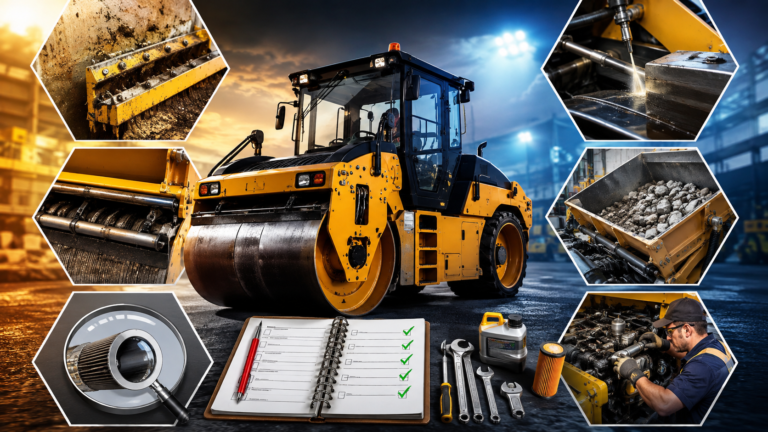
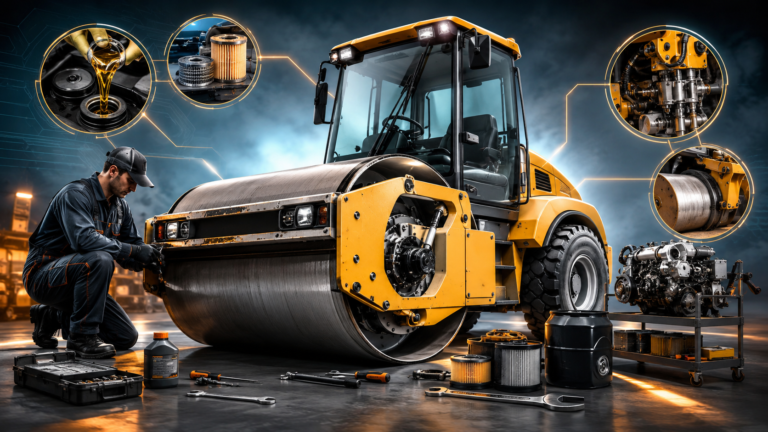
Taking good care of your industrial machinery is very important for its longevity, efficiency, and dependability. Knowing the Best Practices for Cleaning and Maintaining roller compactor is not only important for hygiene, but also for heavy-duty material processing.
A roller compactor that is well taken care of makes sure that the flakes are always of the same quality, keeps unexpected downtime to a minimum, and gets the most out of your investment. If you don’t take care of these machines, the rollers will wear out too quickly, the materials will get dirty, and the machines will break down, which will stop your whole production line.
To keep a roller compactor in good shape, you need to take a systematic approach that includes both daily checks and long-term preventative measures. Dust and residue can build up on these machines because they often work with fine or abrasive powders.
This can cause problems with delicate electronic parts and hydraulic systems. By following a strict cleaning and maintenance schedule, you make sure that every part, from the feed screw to the compaction rollers, works at its best.
This guide goes into great detail about how to keep your equipment safe and make your maintenance work easier.
Why it’s important to Schedule a regular cleaning and maintaining roller compactor?
The first step in protecting your machine from wear and tear is to keep it clean. In the world of dry granulation and densification of materials, the “out of sight, out of mind” attitude can be very bad.
Dust that builds up inside the housing can make it too hot, and residue on the roller surfaces can make the pressure uneven. Following the Best Practices for Cleaning and Maintaining roller compactor means creating a culture where cleanliness is just as important as how much work you get done.
- Stops Cross-Contamination: Cleaning on a regular basis makes sure that leftover materials from one batch don’t get into the next one, which keeps the product pure.
- Extends the life of parts: Taking off abrasive dust from bearings and seals stops them from wearing out too quickly due to friction.
- Makes Inspections More Accurate: Technicians can easily see hairline cracks, leaks, or loose bolts on a clean machine that would have been hidden by dust.
Daily Tasks to Keep Things Running Smoothly
Daily checks are what keep machines running for a long time. Before each shift, the roller compactor should be checked both visually and by hand to make sure it is in the best possible condition.
This proactive approach lets operators find small problems before they turn into big repairs. To keep the high-pressure environment needed for effective compaction, it is important to keep an eye on the lubrication levels and the condition of the hydraulic seals.
- Check Lubrication Points: Make sure that all moving parts, but especially the roller bearings, are well-lubricated according to the manufacturer’s instructions.
- Check the hydraulic pressure: Make sure the hydraulic system is keeping the right pressure settings and look for any signs of fluid leaks around the hoses.
- Check the Alignment of the Feed Screw: Make sure the feed screw is turning smoothly and is properly aligned so that the rollers don’t get unevenly distributed material.
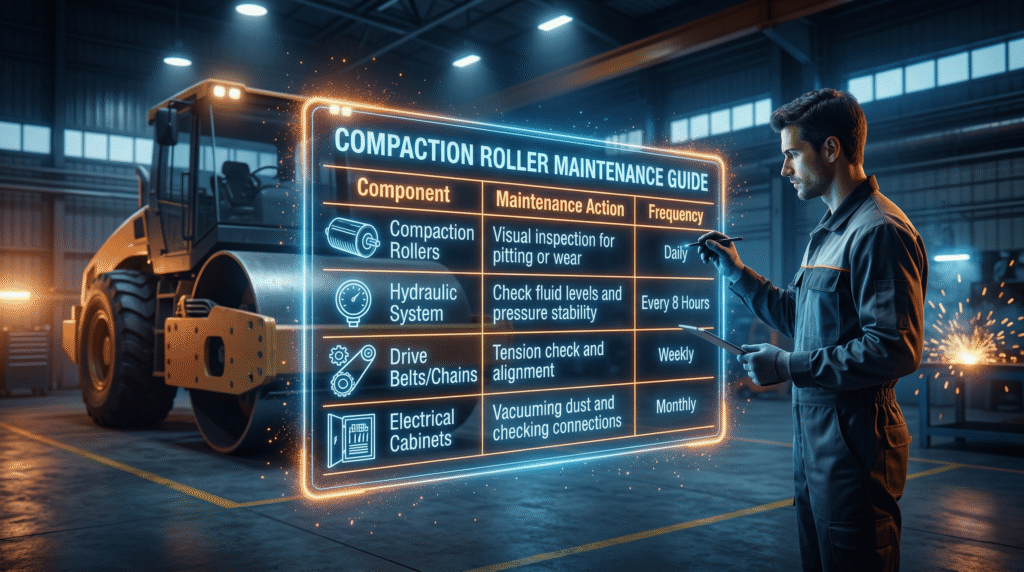
Table: Best Ways to Cleaning and Maintaining Roller Compactor Components
| Component | Maintenance Action | Frequency |
| Compaction Rollers | Visual inspection for pitting or wear | Daily |
| Hydraulic System | Check fluid levels and pressure stability | Every 8 Hours |
| Drive Belts/Chains | Tension check and alignment | Weekly |
| Electrical Cabinets | Vacuuming dust and checking connections | Monthly |
The rollers are the most important part of the compactor, and the quality of the granulated material depends on how well they are maintained. Over time, materials can build up on the roller’s indentations or smooth surfaces, which can cause the densities to be uneven.
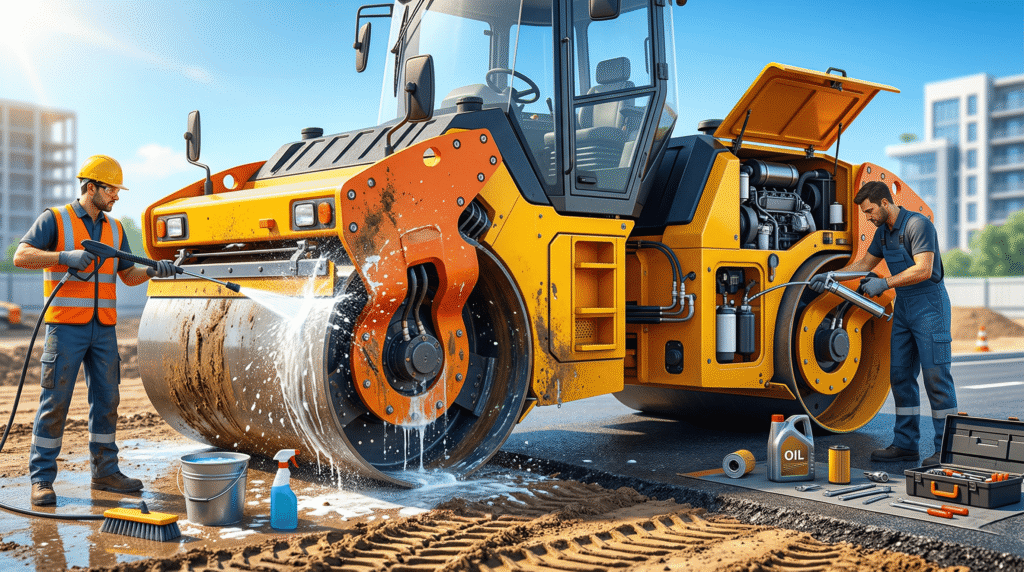
If your model supports it, deep cleaning means more than just wiping down the surface; it also means taking off the rollers or using special cleaning-in-place (CIP) systems. One of the most important things to remember when cleaning and maintaining roller compactor is to use the right cleaning products that won’t damage the hardened steel or alloy of the rollers.
- Use Tools That Don’t Scratch: To avoid scratching the precision-engineered surfaces, use plastic scrapers or soft brushes to clean the roller surfaces.
- Clean the Housing: Get rid of any grease or oil that has built up near the roller shafts so it doesn’t get into the material processing zone.
- Dry the Liquid: Make sure everything is completely dry after using liquid cleaners. If not, the roller surface could get rusty or oxidized, which would ruin it.
Keeping the feeding and de-aeration systems in good shape
How the material is fed into the rollers is the first step in effective compaction. If the feeding system is blocked or the de-aeration vacuum is broken, the product will be weak and not always the same.
People often forget to take care of these subsystems, but doing so is very important for the machine’s health as a whole. To make sure that air is effectively removed from the powder before it gets to the compaction zone, the vacuum system must be kept free of small particles.
- Changing Filters: To keep the system working well, check and change the vacuum filters on a regular basis.
- Auger Inspection: Look for signs of bending or blade wear on the auger/feed screw. This can happen when you work with materials that are very dense.
- Seal Integrity: Make sure the seals between the hopper and the feeding chamber are tight so that air and material don’t leak out.
How to Fix Common Mechanical Problems
Even with the best care, mechanical parts will need to be adjusted at some point. Being able to spot the first signs of failure can save you thousands of dollars in emergency repairs. Grinding or high-pitched squealing noises are often the first signs that a bearing has failed or a belt has slipped.
Adding troubleshooting to your Best Practices for Cleaning and Maintaining roller compactor makes the production cycle more stable.
- Listen for Vibrations: If there is too much vibration, it could mean that the drive shaft is out of alignment or the roller is not balanced.
- Keep an eye on the motor temperature: If the motor is running hotter than normal, it could be having trouble because of a clog or not enough oil.
- Check the consistency of the flakes: If the output flakes are different thicknesses, it might be time to recalibrate the gap sensor or check the hydraulic accumulators.
Checklist for Important Maintenance
Use this checklist to help your maintenance team make things easier for you. During a busy day of production, consistency is the key to making sure that no small detail is missed.
- Emergency Stops: Before you start working, make sure the emergency stops work, check the oil levels, and clear the area of debris.
- Operational: Keep an eye on the temperature of the cooling system and the main drive motor’s amperage draw.
- After use: Use compressed air to “blow down” the machine and wipe down the outside surfaces.
- Periodic: Every six months, check the gear oil for metal shavings and recalibrate the pressure sensors completely.
Cleaning and Maintaining Roller Compactor for the Long Term and in the Winter
If you know your roller compactor will be sitting around for a long time, you need to take certain steps to keep it from “shelf-wear.” The main threat to heavy machinery in storage is moisture.
Using a rust-preventing product that is safe for food or industry on the rollers and making sure the hydraulic cylinders are retracted can stop corrosion and seal drying.
- Put on a protective coating: To keep moisture out, put a thin layer of protective oil on all metal surfaces that are exposed.
- Cycle the Machine: If you can, run the machine for 10 minutes every month to keep the seals lubricated and the fluids inside the machine moving.
- Cover the Unit: Use an industrial cover that lets air through to keep dust from getting into the delicate electronic and mechanical parts.
FAQs – Best Ways to Cleaning and maintaining roller compactor
How often should I clean my roller compactor?
After each batch or shift change, a basic cleaning should be done. To keep things from getting mixed up, you should do a deep “strip-clean” once a week or whenever you switch between different materials.
What is the most common reason why roller compactors break down?
The most common reason is not keeping the hydraulic system and main bearings lubricated. Following the best practices for cleaning and caring for your roller compactor greatly lowers these risks.
Is it okay to clean my roller compactor with water?
It depends on what kind of material is being processed and how well the machine is rated for IP. Many modern compactors can be washed down, but you need to make sure that all of the electrical parts are sealed and that the machine is dried right away to stop rust from forming.
Why are the flakes from my roller compactor not always the same?
This is usually because the feed is uneven, the roller surfaces are worn down, or the hydraulic pressure is changing. You can fix this by regularly cleaning the feed screw and pressure sensors.
How can I tell when the rollers need to be changed?
You should replace rollers when you see visible pitting, a lot of surface wear, or when you can’t get the material density you want even though the pressure settings are correct.
Do you need to take care of the vacuum system?
Yes. The de-aeration vacuum is important for getting rid of air that is stuck in powders. If you don’t have it, the material won’t pack down right, which will cause “split” flakes or air pockets.
Do I need to hire a pro to do yearly maintenance?
You can do daily and weekly tasks in-house, but it’s best to have a certified technician from rollercompactor.net check the wear on the internal gears and the accuracy of the sensors once a year.