Knowing the main roller compactor parts and what they do?
In the construction and material processing industries, the health and performance of your machinery are often what make your work more efficient. The roller compactor is your best friend whether you work in the pharmaceutical industry making uniform granules for life-saving medicine or in civil engineering stabilizing huge stretches of highway maintaining roller compactor parts is a huge task.
But to really know how to use this equipment, you have to go deeper than the surface. To get the most out of your investment, keep it safe, and make it last as long as possible, you need to know how the machine’s “organs” work by a proper roller compactor parts maintenance.
Importance of Roller Compactor Parts
Roller compactors, especially those on rollercompactor.net, are amazing pieces of engineering that use a lot of pressure to turn loose material into dense, stable shapes. Every part is important, from the feeding system that brings in raw materials to the heavy-duty drums that do the final compaction.
In this detailed guide, we’ll explain how the main systems and roller compactor parts work together to produce high-quality results.
The Feeding System: The Key to Consistency
The feeding system is the first thing that the raw material and the machine touch. Its main job is to keep a steady, even flow of material going into the compaction zone. If there wasn’t a precise feeding mechanism, the product would have different densities, which could cause construction to fail or pharmaceuticals to be made with the wrong amount of medicine.
- Feeding Hopper: This is the big, funnel-shaped container where the raw materials, like soil, asphalt, or chemical powders, are first put in. Most modern hoppers have agitators to stop “bridging,” which is when material gets stuck and doesn’t flow down.
- Feed Screw (Auger): This is at the bottom of the hopper and turns to move material toward the rollers. The speed is very important; if it’s too slow, the rollers won’t get enough food; if it’s too fast, the system might get too much pressure.
- Vacuum De-aeration Unit: A vacuum system is built into the feeder of many high-end compactors to get rid of trapped air. This makes sure that the material that gets to the rollers is as dense as possible, which stops the flakes from “exploding” or cracking during the compression phase.
The Compaction Unit: The Machine’s Heart
The real change happens in the compaction unit. This is the “business end” of the roller compactor, which uses mechanical force to make the material smaller and denser.
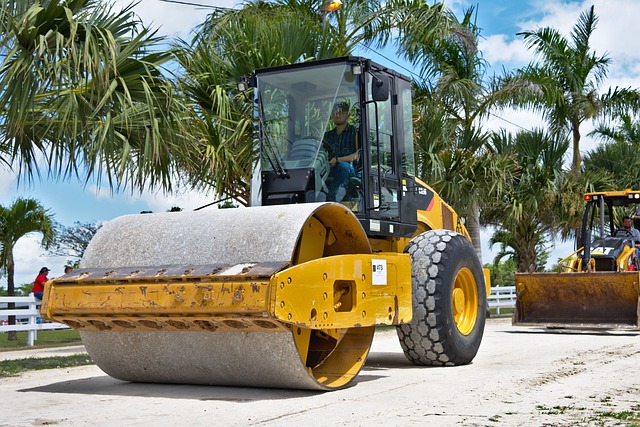
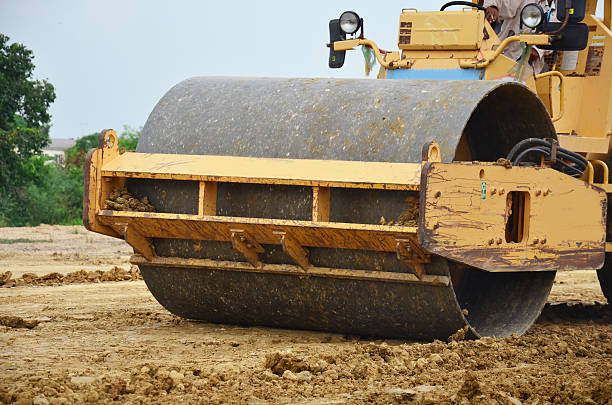
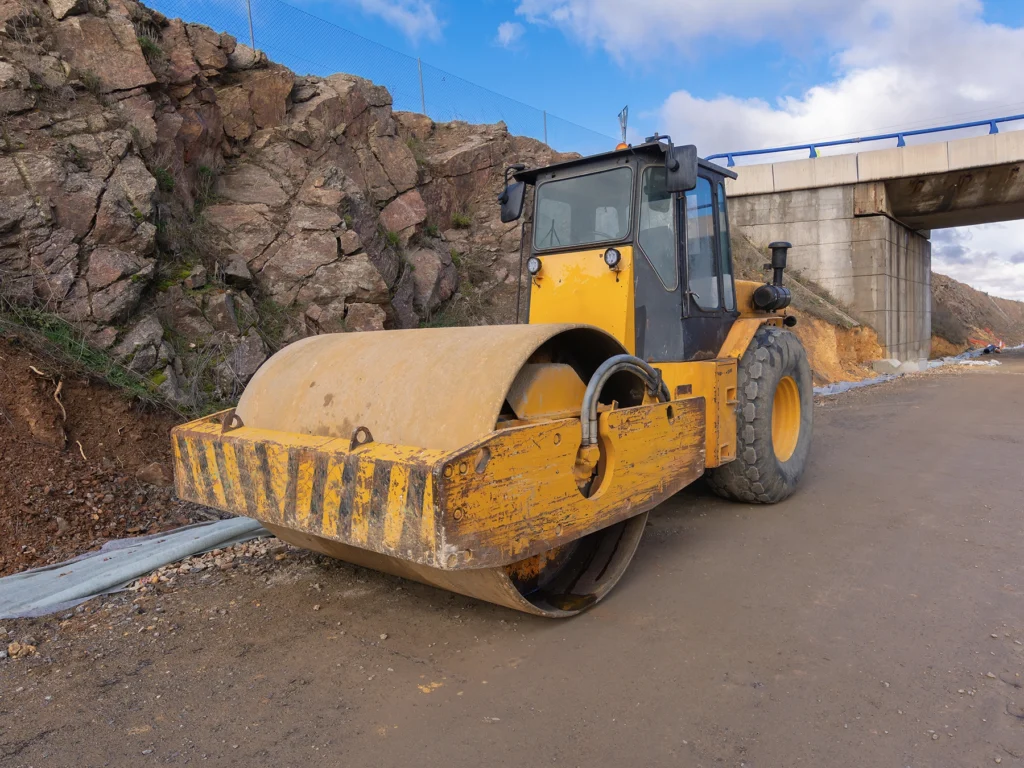
- Pressing Rollers (Drums): These are heavy cylinders that turn in opposite directions and put pressure on the material. In road building, these are big steel drums. In pharmaceutical labs, they are precision-engineered rollers with smooth, corrugated, or fluted surfaces.
- Hydraulic System: The “muscles” of the compactor are its hydraulic system. The hydraulic system gives the rollers the huge force they need to push against the material. It has valves, pumps, and cylinders that let you change the compaction pressure very precisely.
- Scraper Blades: These are placed against the rollers’ surface to constantly remove any material that sticks. Scraper blades keep the rollers clean, which stops material from building up and causing uneven pressure.
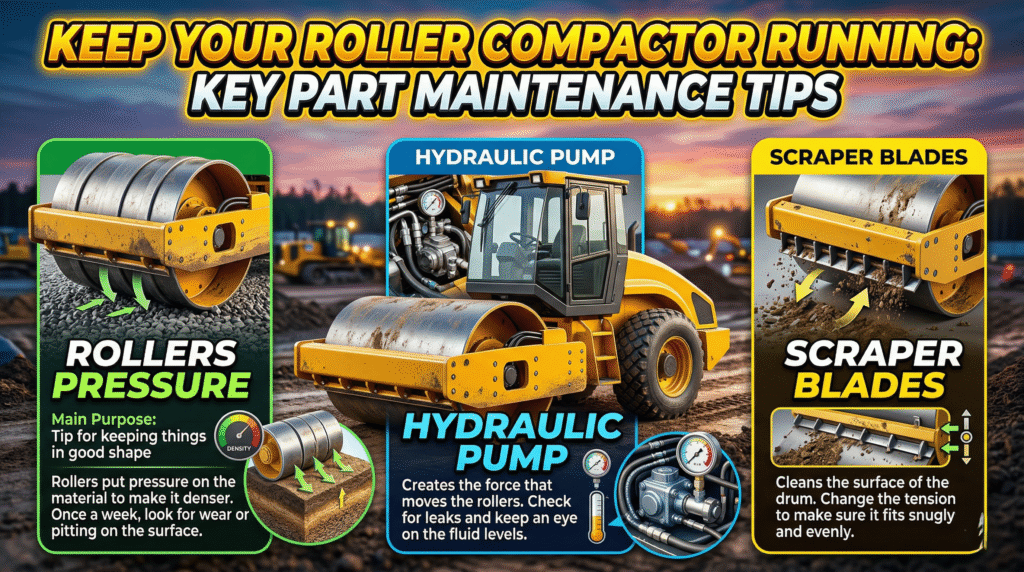
Roller Compactor Parts Main Purpose: Tip for keeping things in good shape
- Rollers Pressure: Rollers put pressure on the material to make it denser. Once a week, look for wear or pitting on the surface.
- Hydraulic Pump: Creates the force that moves the rollers. Check for leaks and keep an eye on the fluid levels.
- Scraper Blades: Cleans the surface of the drum. Change the tension to make sure it fits snugly and evenly.
The Drive and Vibration System: Power and Accuracy
A roller compactor doesn’t just use weight; it also uses vibration to move particles around and get rid of air gaps. The drive system makes sure the machine moves with the right amount of torque, and the vibratory system gives it the extra power it needs to compact deeply.
- Vibratory Mechanism: This system makes high-frequency oscillations by using eccentric weights inside the drum. This “shaking” action helps particles settle into a tighter shape than just using static weight.
- Drive Motor: The motor, whether electric or internal combustion, gives the rollers and feed screw the torque they need to turn. It needs to be strong enough to keep speeds steady even when there is a lot of weight on it.
- Shock Mounts and Isolators: Shock mounts are important because the machine makes a lot of vibrations that can wear out the frame and hurt the operator.
Control and Electrical Systems: The Machine’s Brain
Today’s roller compactors are not just “dumb” iron anymore; they have advanced electronics that keep an eye on every part of the process. This makes sure that the operator’s settings are always met with 100% accuracy.
- PLC Control Panel: The Touch Screen PLC (Programmable Logic Controller) lets operators change the speed of the rollers, the feed screw, and the hydraulic pressure. It gives you real-time information and diagnostic alerts.
- Sensor Units: These are things like speed sensors, temperature sensors, and pressure transducers. They send information back to the PLC to make sure the machine stays in its safe and best range of operation.
- Emergency Stop and Safety Interlocks: These are very important safety features that turn off the machine right away if it breaks down or if a safety guard is opened while the machine is running.
FAQs: Roller Compactor Parts Mechanism
What is the difference between a roller compactor with a fixed gap and one with a floating gap?
In a fixed gap system, the distance between the rollers stays the same, but the pressure changes depending on how much material is fed. A floating gap (or variable gap) system keeps the hydraulic pressure the same, and the gap between the rollers changes on its own to fit the flow of material. This makes the density of the product more even.
How often do I need to change the blades on the scraper?
Every day, you should check the scraper blades. How long they last depends on how rough the material is that they are working with. Usually, they need to be replaced every 500 to 1,000 hours of use, or when they can no longer keep the drum surface clean even after being adjusted.
Why is my roller compactor making too many “fines” (loose powder)?
Low compaction pressure, the wrong roller speed, or air getting trapped can all lead to too many fines. This problem can often be fixed by checking the vacuum de-aeration system and raising the hydraulic pressure.
Is it possible for one roller compactor to work on both soil and asphalt?
The base machine may be the same, but the attachments are not. “Padfoot” or “sheepfoot” drum shells are often used to knead soil deeply, while smooth drums are better for the final finish on asphalt.
What does the feed screw do in dry granulation?
In dry granulation (for making drugs), the feed screw pre-compacts the powder and makes sure it gets to the “nip area” of the rollers at the same density every time. This is very important for making a stable “ribbon” or “flake.”
How do I keep things from sticking to the rollers?
You can control sticking by changing the moisture level of the material, making sure the scraper blades are sharp and properly tensioned, and sometimes by using water spray bars or special roller coatings like hard chrome.
How can you tell if a hydraulic system is failing?
Some common signs are a drop in the compaction force that can be seen, a slow response to control inputs, strange whining noises coming from the pump, and the hydraulic fluid getting too hot. The best way to avoid problems is to change the filters and check the fluids regularly.
Final Thoughts – Roller Compactor Parts Maintenance
The first step to being great at your job is to know the most important roller compactor parts. Every part, from the feeding unit to the advanced PLC controls, needs to be carefully cared for.
If you keep an eye on your rollers, hydraulic systems, and scrapers, you can be sure that your machine will be a valuable asset for many years to come. Always go to trusted sites like rollercompactor.net for high-quality parts and expert advice.