If you are in the road construction or earthmoving business, you know that compaction is the stage where a project is literally made or broken. A poor foundation leads to cracks, potholes, and costly callbacks. This is why finding the right vibratory roller compactor for sale is not just about spending budget; it’s about securing the longevity of your work.
Whether you are looking to compact granular soil for a building foundation or lay down a mirror-smooth finish on a highway asphalt mat, this guide breaks down everything you need to know before you sign the purchase order.
Understanding the Mechanics: Why Go Vibratory?
Before diving into inventory, it is crucial to match the machine mechanics to your specific job site. Unlike static rollers, which rely solely on weight, vibratory rollers utilize an internal eccentric weight mechanism. This creates a rhythmic impact (amplitude) and a specific speed of rotation (frequency).
This combination allows the machine to “shuffle” the soil or asphalt particles, reducing friction between them and allowing them to nestle closer together. The result is higher density in fewer passes compared to static equipment.
Types of Vibratory Rollers: Which One Do You Need?
When you search for a vibratory roller compactor for sale, you will generally encounter two main categories. Choosing the wrong one can be a disastrous waste of time and fuel.
1. Single Drum Vibratory Rollers (Soil Compactors)
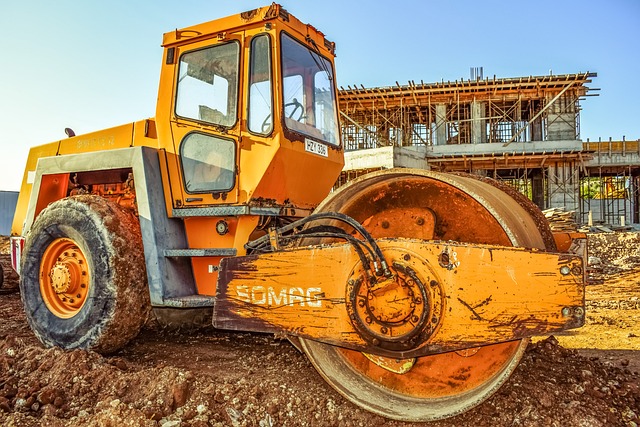
These are the workhorses of the dirt world. They feature a heavy steel drum at the front and pneumatic tires at the rear for traction.
- Best For: Soil, gravel, and dirt.
- Applications: Highway foundations, residential site prep, utility trenches, and embankments.
- Variations:
-
- Smooth Drum: Ideal for granular soils (sand, gravel).
- Padfoot (Sheepsfoot) Drum: Essential for cohesive soils (clay, silt) where you need to manipulate the dirt to drive out air and moisture.
2. Double Drum (Tandem) Vibratory Rollers
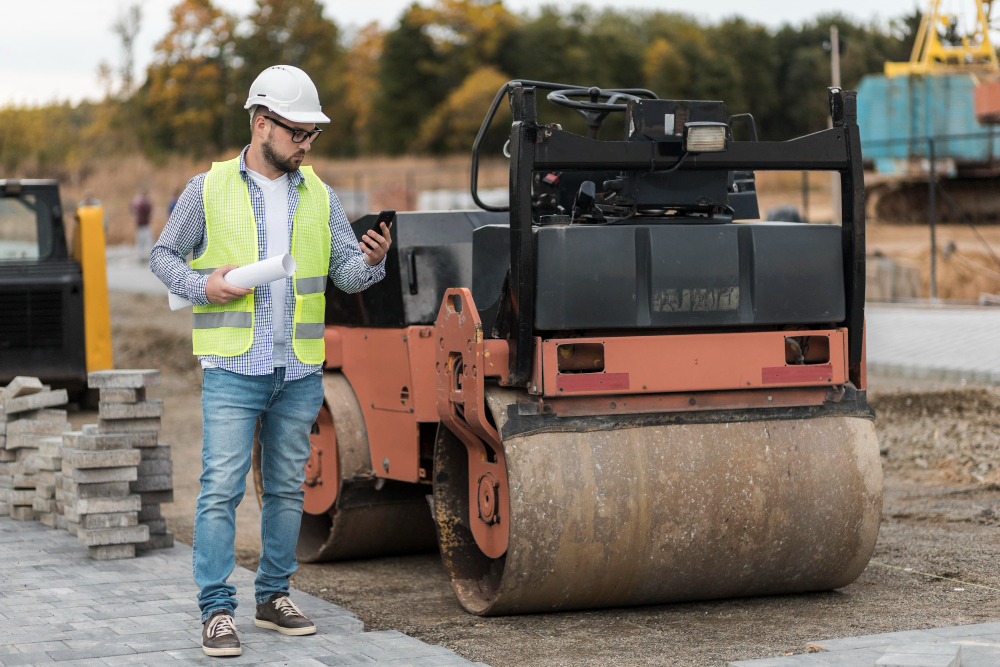
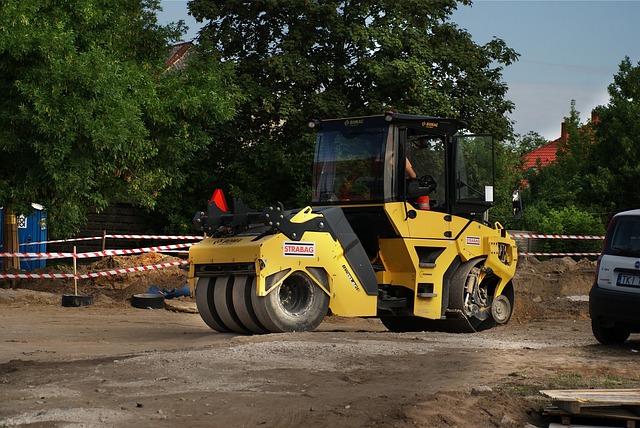
These machines feature steel drums on both the front and rear. They usually offer water spray systems to prevent hot asphalt from sticking to the drums.
- Best For: Asphalt and paving.
- Applications: Road paving, parking lots, driveways, and patchworks.
- Key Feature: Many modern tandem rollers allow you to oscillate the drum rather than just vibrate, which prevents “rippling” on the asphalt surface.
3. Trench & Walk-Behind Rollers
Don’t ignore the compact market. For tight spaces where a ride-on unit cannot fit, trench rollers are vital.
-
Best For: Pipeline backfill, sub-bases in confined areas.
Key Specifications to Analyze
When browsing listings for a vibratory roller compactor for sale, look past the shiny paint job. The following specs dictate performance:
Drum Width and Operating Weight
The width determines your coverage per pass, while the weight determines the depth of compaction.
- Light Duty: 1.5 – 3 Tons (Driveways, patching).
- Medium Duty: 4 – 9 Tons (Urban roads, parking lots).
- Heavy Duty: 10 – 15+ Tons (Major highways, airport runways).
Centrifugal Force
This is the actual compaction force generated by the vibration. A higher centrifugal force means you can achieve target density in fewer passes, saving fuel and operator hours.
Frequency and Amplitude
- Amplitude: The magnitude of the drum’s movement (how hard it hits). High amplitude is for thick lifts; low amplitude is for thin lifts.
- Frequency: How often the drum hits the ground. High frequency is generally preferred for asphalt to create a smooth finish.
New vs. Used: Making the Financial Call
The market for heavy equipment is vast. Should you buy a brand-new unit with a warranty or save 40% on a used model?
Buying New
- Pros: Full warranty coverage, latest fuel-efficient engines (Tier 4 Final), improved operator comfort, and telematics for fleet tracking.
- Cons: High upfront capital expenditure and immediate depreciation.
Buying Used
- Pros: Lower purchase price, slower depreciation curve, immediate availability.
- Cons: Higher maintenance risk, unknown service history.
Pro-Tip: If you opt for used, look for “Certified Pre-Owned” units from major dealerships, which often come with a limited powertrain warranty.
Inspection Checklist: How to Vet a Used Roller
If you are looking at a used vibratory roller compactor for sale, perform this physical inspection (or hire a third party) before transferring funds:
- The Articulation Joint: This is the pivot point between the front and rear of the machine. Check for excessive play or clunking sounds during operation. A worn articulation joint is a very expensive repair.
- Drum Isolators: These are the rubber mounts that separate the vibrating drum from the frame. If they are cracked or sheared, the vibration will transfer to the operator cab, causing fatigue and damaging machine electronics.
- Hydraulics: Check the hydraulic hoses and pumps. Leaks here are common but can indicate poor maintenance.
- The Water System (Tandem Rollers): Ensure the spray nozzles are not clogged and the pump is working. Without water, you cannot pave asphalt.
- Vibratory Function: Turn it on! Does it engage smoothly? Does it vibrate evenly on both sides?
Top Brands to Consider
Brand reputation matters in heavy machinery due to parts availability and resale value.
| Brand | Reputation | Best Known For |
| Caterpillar (CAT) | Industry Standard | High resale value, massive dealer network. |
| Bomag | Compaction Specialists | Intelligent Compaction technology is deeply specialized. |
| Dynapac | Paving Experts | Excellent ergonomics and asphalt finish quality. |
| Hamm | Innovation | The “Oscillation” technology for sensitive compaction. |
| Volvo | Reliability | Robust engines and high operator comfort. |
The Price of Compaction
While prices vary wildly based on location and hours, here is a rough ballpark to help you budget:
- Small Walk-Behind: $5,000 – $15,000
- Used 3-5 Ton Asphalt Roller: $20,000 – $45,000
- New 10-Ton Soil Compactor: $120,000 – $180,000+
Conclusion: Securing Your Fleet
Finding the right vibratory roller compactor for sale is about balancing technical specs with your budget constraints. Whether you need a padfoot shell kit for a clay job or a high-frequency tandem roller for highway finishing, the inventory is out there.
Prioritize machines with complete service records and reputable brand names. Remember, the cheapest roller upfront is often the most expensive one in the long run if it spends more time in the shop than on the grade.
Frequently Asked Questions (FAQ)
Q: What is the difference between static and dynamic linear load?
A: Static linear load is the weight of the roller divided by the drum width. Dynamic linear load includes the centrifugal force generated by the vibration. Dynamic load is what actually achieves deep compaction.
Q: Can I use a smooth drum roller on clay?
A: You can try, but it’s not effective. Smooth drums tend to “bridge” over clay, leaving air voids underneath. You need a padfoot (sheepsfoot) kit to penetrate and knead the clay for proper density.
Q: How many hours is “too many” for a used roller?
A: Vibratory rollers live a hard life shaking themselves apart. Generally, under 3,000 hours is considered low. Between 3,000 and 6,000 is mid-life. Anything over 7,000 hours will likely require significant hydraulic or engine overhauls soon.